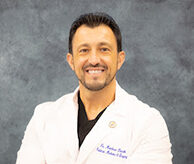
From the desk of Dr. Liwski @ Sarasota Foot Care Center…..
WHAT TO LOOK FOR ~
AVOID & CARE FOR ~
IN YOUR LOWER EXTREMITIES
WHEN YOU HAVE DIABETES
(based on the American Diabetes Association recommendations)Diabetes can lead to nerve damage, reduced circulation, and even limb loss.
Simply stated, you can lower your risk for serious foot complications by taking care of your feet, managing your diabetes, and talking to your doctor immediately, if you notice problems with your feet.
People with diabetes can develop many different foot problems. Even the ‘ordinary’ problems can get worse and lead to serious complications.
Foot problems most often happen when there is nerve damage also called neuropathy. This can cause tingling, pain (burning or stinging), or weakness in the foot. It can also cause loss of feeling in the foot. That means you can injure your foot and not even know it. Poor blood flow or changes in the shape of your feet or toes may also cause problems.
Take good care of your feet and see your doctor right away if you see any signs of foot problems.
When you have diabetes, caring for your feet is very important in avoiding serious foot complications. You can easily do the following:
• Wash your feet, well, everyday
• Dry them thoroughly, and don’t forget to dry between your toes
• Moisturize your feet, but avoid moisturizing between your toes
• Keep your toenails trim (may be a covered service at Sarasota Foot Care Center) and use an emery board to file down sharp edges
• Check your feet for sores, cuts, blisters, corns, or redness daily. Let your doctor know if you find any of these.
• Wear moisture-wicking socks
• Before putting your shoes on, check for sharp objects (i.e. small rocks)
• Wear shoes that fit well and don’t rub your feet
AND WHILE YOU ARE AT IT….
• DO NOT walk around barefoot
• DO NOT soak your feet
• DO NOT smoke
Diabetes can cause changes in the skin of your foot. At times your foot may become very dry. The skin may peel and crack. This problem is caused by nerve damage that affects your body’s ability to control the oil and moisture in your foot. This condition in known as diabetes dry feet.
After bathing, dry your feet and seal in the remaining moisture with a thin coat of diabetic safe moisturizer. Do not put oils or creams between your toes. The extra moisture can lead to infection. Also, DO NOT soak your feet—that can dry your skin.
Ulcers occur most often on the ball of the foot or on the bottom of the big toe. Ulcers on the sides of the foot are usually due to poorly fitting shoes. Remember, even though some ulcers do not hurt, every ulcer should be seen by your doctor right away. Neglecting ulcers can result in infections, which in turn can lead to loss of a limb.
What your doctor will do varies with your ulcer. Your doctor may need to take x-rays of your foot to make sure the bone is not infected. The ulcer may also need to have any dead and infected tissue cleaned out. You may need to go into the hospital for this cleaning. Also, a culture of the wound may be used to find out what type of infection (if there is one) you have and which antibiotic will work best.
Keeping off your feet is very important. Walking on an ulcer can enlarge it and force the infection deeper into your foot. Your doctor may put a special shoe, brace, or cast on your foot to protect it.
If your ulcer is not healing and your circulation is poor, you may be referred to a vascular surgeon. Managing diabetes is important since high blood glucose (blood sugar) levels make it hard to fight infection and heal wounds/ulcers. Therefore, you may also be referred to an Endocrinologist, who specializes in blood sugar control with diabetic patients.
After a foot ulcer heals, treat your foot carefully. Scar tissue from the wound will break down easily. You may need to wear special shoes after the ulcer is healed to protect this area and to prevent the ulcer from returning.
Dr. Liwski provides thorough examinations verifying if patients qualify for frequent visits to trim toenails/calluses, treat wounds/ulcers and receive diabetic shoe gear through their insurance companies. Call us @ Sarasota Foot Care Center now to schedule (941) 917 – 6232
https://www.sarasotafootcarecenter.com/dr-matthew-liwski-14.html